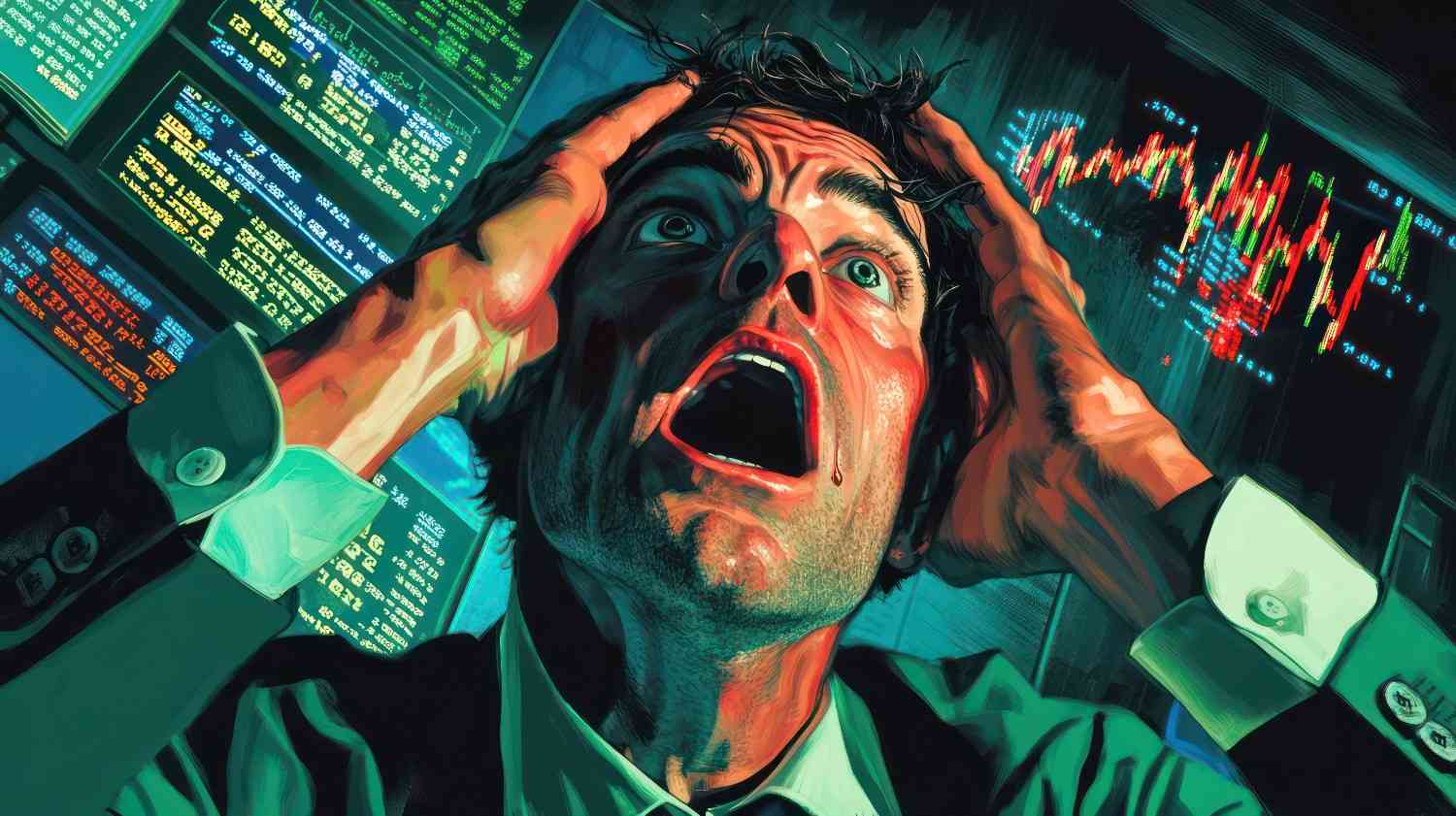
Most crypto losses don’t come from bad projects. They come from bad decisions made under pressure. Prices spike. You chase. Prices crash. You panic. The cycle repeats.
This guide breaks down why emotional trading happens, the mistakes beginners make again and again, and—most importantly—how to build systems that protect you from yourself.
Related reading: If you want more context, also read how to build a crypto portfolio and how to reduce crypto investing risk.
Why Crypto Triggers Emotions More Than Other Markets
Crypto trades 24/7. Prices move fast. Social media amplifies every pump and crash. That combination overwhelms human decision-making.
Behavioral finance research consistently shows that:
- People feel losses more intensely than gains (loss aversion)
- Fear and excitement reduce rational judgment
- Overconfidence increases after short-term wins
Crypto simply compresses these psychological traps into shorter timeframes.
The Most Common Emotional Trading Mistakes
1. FOMO Buying
You see a coin up 40% in a day. Twitter is euphoric. You buy late.
What usually happens: Momentum fades. You’re stuck holding near the top.
Fix: Never buy after a vertical move without a pullback plan.
2. Panic Selling
Price drops 15–20%. Headlines turn negative. You exit to “save what’s left.â€
What usually happens: You sell near local bottoms and hesitate to re-enter.
Fix: Decide exit levels before entering the trade.
3. Overtrading
You open too many positions because “opportunities are everywhere.â€
What usually happens: Fees add up. Focus drops. Losses compound.
Fix: Limit active positions. Fewer trades, higher conviction.
4. Revenge Trading
You lose money and immediately try to win it back.
What usually happens: Position sizes grow. Risk control disappears.
Fix: Mandatory cooldown after a losing trade.
Original Framework: The EMOTIONS Filter
Before any trade, run this checklist:
- E – Entry defined (Why this price?)
- M – Max loss known (Where do I exit if wrong?)
- O – Objective clear (Trade or long-term hold?)
- T – Time horizon set (Days, weeks, months?)
- I – Invalidation point (What proves me wrong?)
- O – Only planned capital used
- N – No social media influence right now
- S – Size fits risk tolerance
If you can’t answer all eight, don’t trade.
Step-by-Step: How to Trade With Less Emotion
Step 1: Pre-define rules
Write down:
- Max % loss per trade
- Max capital per position
- Max trades per week
Rules remove decision-making in the moment.
Step 2: Use position sizing
Even strong ideas fail. Smaller size = calmer mind.
Example:
- Portfolio: $10,000
- Risk per trade: 1–2%
- Max loss per trade: $100–$200
That keeps mistakes survivable.
Step 3: Separate investing from trading
Long-term holdings and short-term trades should never mix. Different goals. Different rules. Different emotions.
Step 4: Reduce noise
Constant chart checking and social feeds amplify fear and greed. Check prices on a schedule, not compulsively.
Common Beginner Mistakes to Avoid
- Trading without stop-loss logic
- Copying influencers without context
- All-in positions
- Ignoring liquidity and volume
- Changing strategy mid-trade
Quick-Start Checklist
- Define entry, exit, and invalidation before buying
- Risk only what you can emotionally tolerate losing
- Limit trade frequency
- Keep a simple trading journal
- Take breaks after losses
Expert Tips
Tip #1: If a trade idea makes you anxious, your size is too big.
Tip #2: Boredom often leads to bad trades. Not trading is a position.
Tip #3: Consistency beats brilliance. Every time.
FAQ
Is emotional trading always bad?
Yes. Decisions driven by fear or greed rarely align with long-term goals.
Can beginners avoid emotional trading completely?
No—but they can reduce damage with rules and sizing.
Is holding long-term safer emotionally?
Often yes, but only if you believe in the thesis and accept volatility.
Should I stop trading during high volatility?
If you don’t have a tested plan, yes.
Do professionals feel emotions?
Absolutely. They just don’t let emotions decide.
Conclusion: Build Systems, Not Willpower
You can’t remove emotions from crypto. But you can design around them. Rules, sizing, and structure do what motivation never will. They protect your capital when your brain is under stress.
Next step: Write down your trading rules today—before the next big move forces a decision you’ll regret.
les today—before the next big move forces a decision you’ll regret.