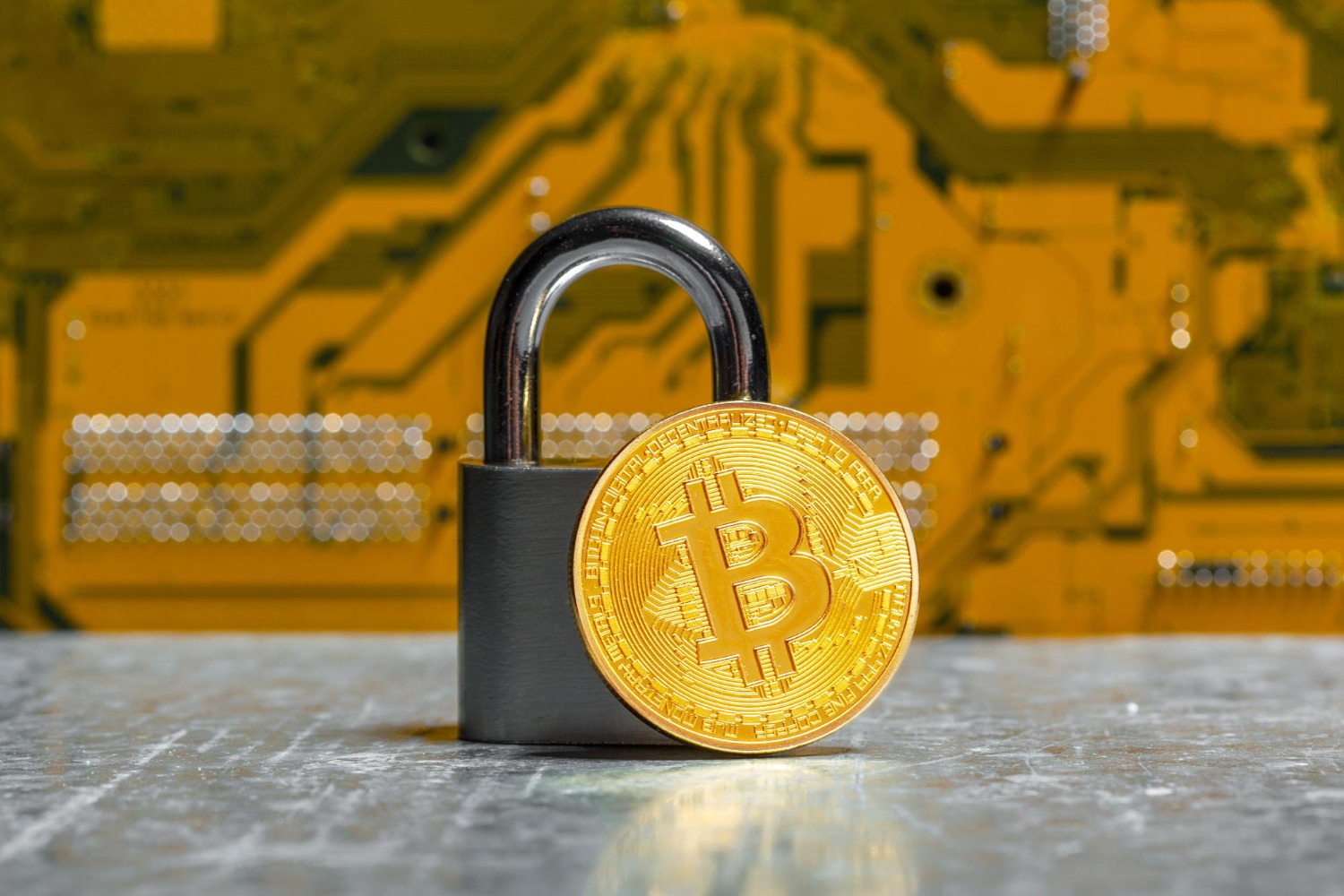
Cryptocurrency security is not optional. Once funds leave your wallet, there’s no way to reverse a transaction. That means every step you take to protect your assets matters — from choosing the right wallet to recognizing phishing scams and safeguarding your private keys.
Here’s a practical, human-friendly guide to storing crypto safely and avoiding hacks and scams.
Related reading: If you want more context, also read what a crypto wallet is and why private keys matter.
Why Crypto Security Matters
Crypto wallets don’t hold your coins — your private keys do. Anyone with access to those keys can control your funds. Unlike traditional banks, there’s no support line, no password reset, and no insurance for most self-custodial wallets. That’s why adopting secure practices should be your priority before investing or trading.
Understand Wallet Types: Hot vs Cold vs Paper
Not all wallets are equal in how they protect your crypto.
Hot Wallets
Connected to the internet, hot wallets (mobile, desktop, web) are convenient for frequent trades or small holdings. But that convenience comes with exposure to malware, phishing sites, and remote hacks.
Use hot wallets for:
- Daily transactions
- Trading small amounts
- Immediate access
Security tips:
- Enable two-factor authentication (2FA)
- Use unique, strong passwords
- Avoid public Wi-Fi when accessing them
Cold Wallets (Hardware + Offline Storage)
Cold wallets keep private keys offline, making them immune to remote attacks. Hardware wallets like Ledger and Trezor are industry standouts because they isolate keys from internet-connected devices.
Use cold wallets for:
- Long-term storage
- Large holdings
- Maximum safety
Best practices:
- Keep hardware wallets in a secure physical location
- Update firmware regularly
- Never connect them to compromised computers
Paper Wallets
These are printouts of your keys or recovery phrase stored offline. They avoid online risks, but physical loss, damage, or theft are real threat.
Secure Your Private Keys and Seed Phrases
Your private key and seed phrase are the master passwords to your crypto. Protect them like you would a vault key.
- Write them down physically: Avoid screenshots, digital notes, cloud storage, or password managers.
- Store copies in multiple secure places: A fireproof safe, bank safety deposit box, or trusted home vault all work.
- Never share them: No legitimate exchange or support team will ask for your seed.
If one copy gets damaged, additional backups prevent permanent loss.
Lock Down Your Accounts
Security isn’t just about wallets. Your connected accounts matter too.
Create Strong, Unique Passwords
Use a reputable password manager to generate and store long, random passwords. Avoid reuse from other accounts.
Enable Two-Factor Authentication (2FA)
Always opt for app-based 2FA (Authy, Google Authenticator) rather than SMS codes.
Use Biometrics When Available
Fingerprint or face unlock adds a barrier that hackers can’t bypass without physical access.
Stay Ahead of Scams and Phishing
Most hacks start with a mistake — clicking the wrong link, interacting with a fake contract, or responding to a fraudulent message.
Verify Every URL and App
Fake sites mimic popular wallets or exchanges. Bookmark official URLs and double-check spelling before entering credentials.
Beware Social Engineering
Scammers often pose as support from wallets or exchanges. They ask for private keys, 2FA codes, or seed phrases. Legitimate support never does this.
Use Security Tools
Browser extensions and services can flag suspicious domains, block trackers, and warn you before sending funds to risky addresses.
Routine Maintenance: The Invisible Defense
Crypto safety is ongoing:
- Update software and firmware on wallets and devices.
- Regularly back up wallets and test restore procedures.
- Check wallet activity for unauthorized access.
- Revoke unused token approvals from dApps to limit attack surfaces.
These sound small, but consistency closes gaps before attackers find them.
What to Do If You Think You’ve Been Compromised
Even with precautions, incidents happen.
- Freeze linked accounts ASAP.
- Move remaining funds to a clean wallet (from a secure device).
- Change all passwords and 2FA.
- Report the incident to exchanges and wallet providers.
- Contact law enforcement if significant funds are involved.
Fast action can limit losses and help investigators trace malicious activity.
Strong Security Starts With Awareness
Crypto security isn’t a one-time setup — it’s a mindset. Understanding wallet types, safeguarding keys, locking accounts, spotting scams, and maintaining vigilance are the pillars of safe crypto storage.
Start with these basics, build good habits, and you drastically reduce your risk of